India’s religious sector is vast and plays a significant role in both cultural life and economic activity. This includes household religious spending, temple visits, festivals, pilgrimage tourism, and broader religious travel and services. The scale of this segment can be seen through multiple data points and industry projections:
Massive Religious Tourism Engagement
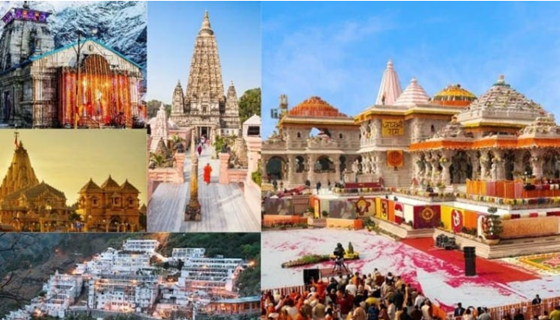
Religious or spiritual tourism is one of the largest travel categories in India. According to the Ministry of Tourism, the number of people participating in religious tourism rose from about 677 million in 2021 to around 1,439 million in 2022. This shows strong growth in pilgrimages and faith-based travel across the country.
Economic Scale of Religious Tourism Revenue
In terms of revenue, the religious tourism market has already reached large figures and is forecast to grow further. Estimates from industry research indicate:
- India generated about USD 16.2 billion (around ₹1.34 lakh crore) in religious tourism revenue in 2022.
- Other projections forecast that the religious tourism market could reach nearly USD 28.9 billion by 2030, reflecting a high growth rate over the coming years.
Broader Religious and Spiritual Market Size
Beyond tourism alone, the broader religious and spiritual market—covering products and services associated with worship, rituals, and religious practices—also shows major economic size:
- One industry report values the India religious and spiritual market at around USD 70.14 billion in 2025, with expectations to rise further in the coming decade.
These figures point to a sector that not only engages millions of people yearly but also contributes to consumption and organized market activity.
Household Religious Spending
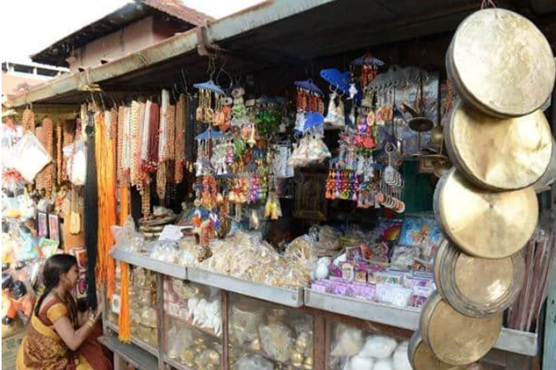
On the household level, many Indians routinely spend on religious items and rituals. Research indicates that the average household in India spends around ₹93 per month on religious activities—a reflection of regular faith-based consumption across millions of families.
Large-Scale Religious Gatherings
Beyond tourism and market size, India hosts some of the largest religious gatherings in the world, which further underscores the scale of the religious segment:
- The 2025 Maha Kumbh Mela in Prayagraj attracted historic crowds, with reported attendance of up to 660 million people over its duration, making it possibly the largest religious gathering in recorded history.
Such events contribute not just spiritually but also economically, as they drive spending on travel, accommodation, food, rituals, and related services.
Cultural and Festival Spending
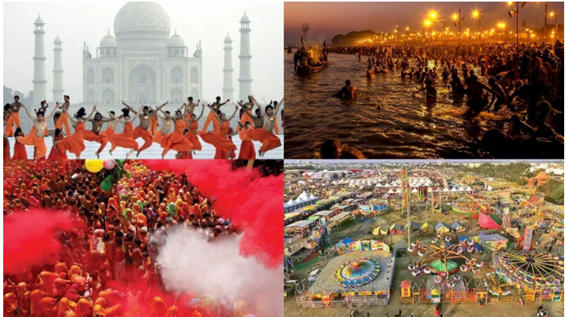
Festivals in India also represent a vast economic segment tied to religious and cultural practices:
Major celebrations like Diwali, Durga Puja, Ganeshotsav and others together contribute hundreds of thousands of crores in economic activity annually, touching sectors such as retail, food, and event services.
What This Means in Context
Taken together, these data points show that the religious segment in India is:
- One of the largest drivers of domestic travel and tourism.
- A significant consumer market for goods and services.
- A recurring economic force throughout the year, not just during festivals.
- Capable of attracting hundreds of millions of participants at major events
For businesses operating in event planning, vendor services, hospitality, retail, décor, and travel, this segment presents a broad demand base—especially for vendors who can support large gatherings, pilgrimage circuits, and festival-linked activities.